LPAR · LED Traffic PAR38 PRO
The PAR38 your Opticom intersection actually wants.
LPAR is the LED replacement for the small white floodlight on each approach to a pre-emption-equipped intersection — the EVP confirm beacon that illuminates steady-burn when an emergency vehicle has acquired traffic-signal pre-emption. Three SKUs cover the spec range: cool-white 4800K for the confirm-beacon visibility spec, MDOT-listed Black-Body 900lm for the strictest signal-lamp QPL in the US, and a 1500lm legacy flagship for general traffic-signal applications. CRI 93. 5-year warranty. Direct screw-in to existing E26 PAR38 sockets.
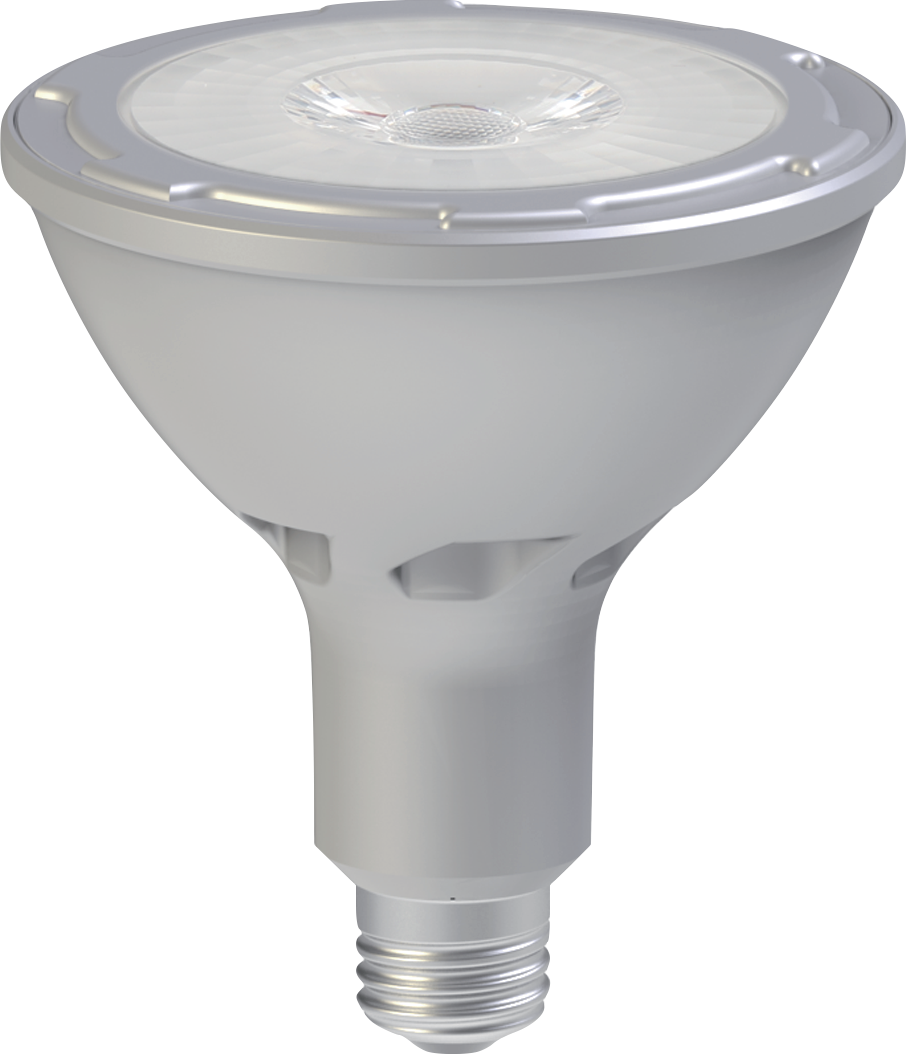





Model Specifications
Download Data Sheet| Watt | Lumens | Efficacy | CCT | Voltage |
|---|
Dimensions
(For the selected size)
How EVP Pre-Emption Works
LPAR's role in the EVP signal chain.
An emergency vehicle approaches a pre-emption-equipped intersection. Its emitter sends an infrared signal to a detector mounted on the signal head. The detector tells the controller to flip the lights to green for that approach. The controller fires the LPAR confirm beacon to steady-burn — visual proof to the emergency operator that pre-emption was acquired. Five stages. LPAR is stage 5.
Diagram derived from public-domain documentation of Opticom-style EVP systems and ALG datasheet language ("designed for direct installation into both existing and new EVP assemblies"). Static SVG — no video file or motion carousel claim. LPAR's specific role: stage 5 confirm beacon, the visual proof loop that closes the system.
Highlights & Features
The PAR38 the DOT specs. Not the one your maintenance crew picks up at the supply house.
Three SKUs cover every EVP intersection approach — sealed-cabinet thermalⒶRMOR build, FCC Part 15 compliance, and CRI 93 for accurate visibility against amber signals.

Compatible Control Scenarios
Triac-dimmable. Non-flicker. FCC Part 15 quiet.
LPAR runs on a 120Vac line input with Triac dimming compatibility for control scenarios where the traffic-signal controller dims the confirm beacon at night for visibility adaptation. Performance is specified at PF > 0.9 with non-flicker operation — meaning the lamp doesn't strobe at line frequency when dimmed, which matters because EVP detectors look for strobed light. A flickering confirm beacon false-triggering its own detector is worse than no confirm beacon.
Plus, the lamp is FCC Part 15 compliant. Traffic cabinets are full of RF: cellular modems, EVP infrared detectors, signal controllers, dimming Triacs, surge protectors — all packed into the same enclosure. A general-purpose PAR38 LED can radiate enough EMI to corrupt EVP detector signals or interfere with cellular backhaul. LPAR's driver is explicitly designed for cabinet-RF cleanliness.
Compatible with any standard Triac (forward-phase) dimmer that meets the host signal-controller's specification. No proprietary controls platform, no firmware handshake, no commissioning. Just a 120Vac line with a Triac dimmer in series — the lamp dims smoothly with no perceptible flicker, no audible buzz, and no RF interference with the rest of the cabinet electronics. PF maintained at >0.9 across the dim range. Operating temperature -4°F to 120°F (MDOT 900lm Black-Body extends to -40°F to 165°F). Suitable for use in totally enclosed signal-cabinet fixtures.
View Datasheet for full electrical spec →Engineering · Anatomy
Built for the cabinet. Spec'd for the QPL. Screwed into the same socket.
Seven engineering details that make LPAR the right PAR38 lamp for traffic-signal cabinets — a 25° narrow-flood Clear Optic for confirm-beacon visibility, CRI 93 with high R9 + R13 for accurate color rendering against amber signals, thermalⒶRMOR heat-sink geometry tuned for sealed enclosures, and dielectric grease at the E26 base to keep the contact interface alive across the full 25,000-hour rated lifespan.
Anatomy callouts derived from the datasheet's Main Features section. The 25° Clear Optic is what makes the LPAR a legitimate confirm-beacon spec match (commodity PAR38 LEDs typically ship 40°+). thermalⒶRMOR design is what keeps it alive past 25,000 hours inside a sealed south-facing signal cabinet that hits 165°F in summer. Dielectric grease is what keeps the E26 contact corrosion-free across that same 25,000-hour run.
Direct Install · No Modifications · No Adapter Plates.
LPAR is designed for direct installation into both existing and new EVP signal-head assemblies. E26 medium screw base means it screws into the same socket your incandescent or halogen confirm beacon used — no rewiring, no housing modification, no adapter plate. Compatible with the dominant US EVP systems and any signal head with an Opticom-style PAR38 confirm-beacon socket.
Configure Your LPAR
Every option below maps to the LPAR Traffic PAR38 order code. Selections build the SKU live — no checkout, no surprises. Required fields marked with *. Greyed-out options are not selectable with your current configuration. See the legend in the Optional column for ★ / QS / MTO meanings.
Documentation & Resources
Spec engineers, traffic-signal contractors, and DOT procurement need the datasheet for the project schedule, the SKU on the bid line, and a submittal stamp for the AHJ review. Three documents cover the workflow.
Single-source the cityRCH outdoor portfolio.
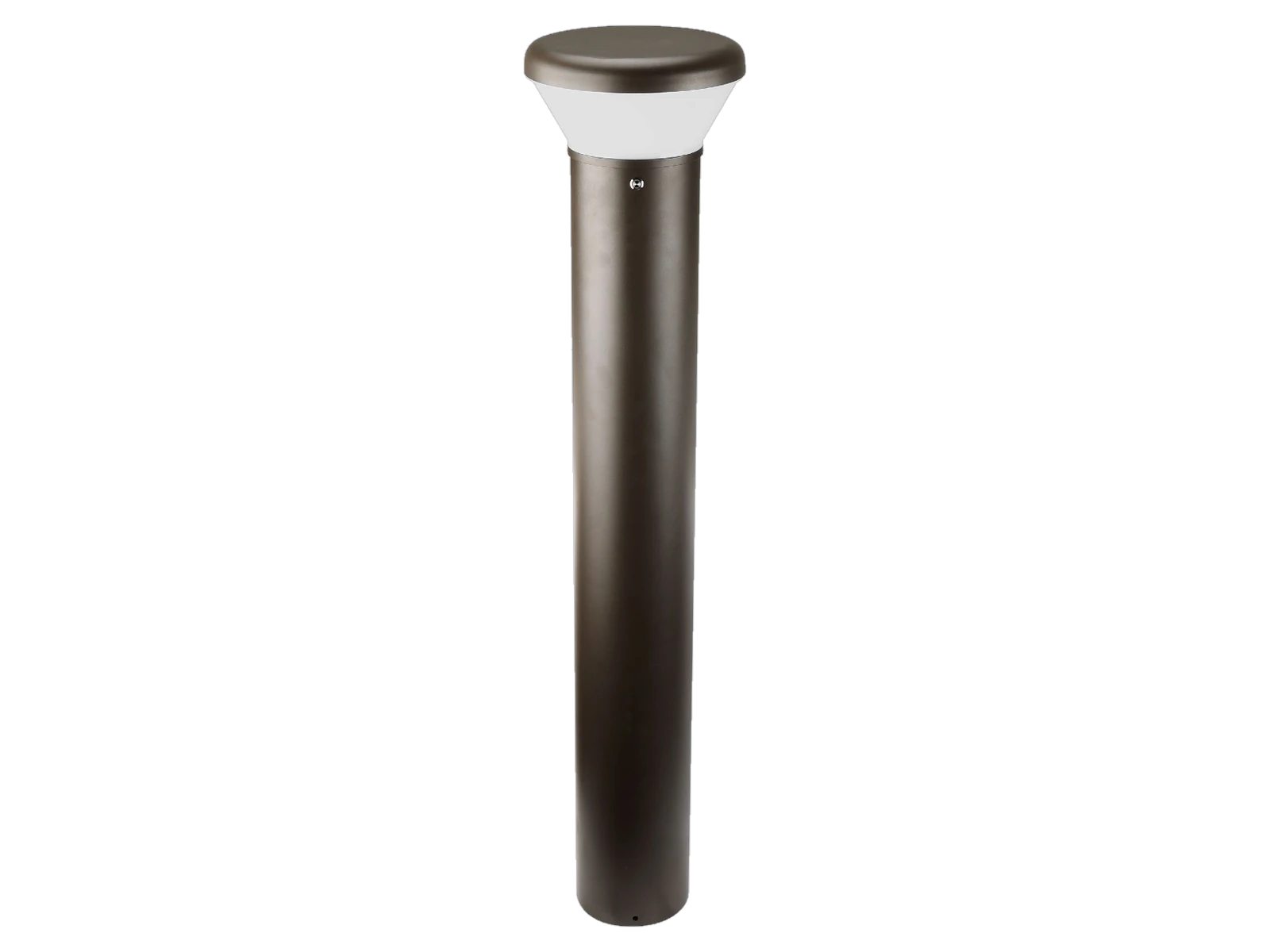
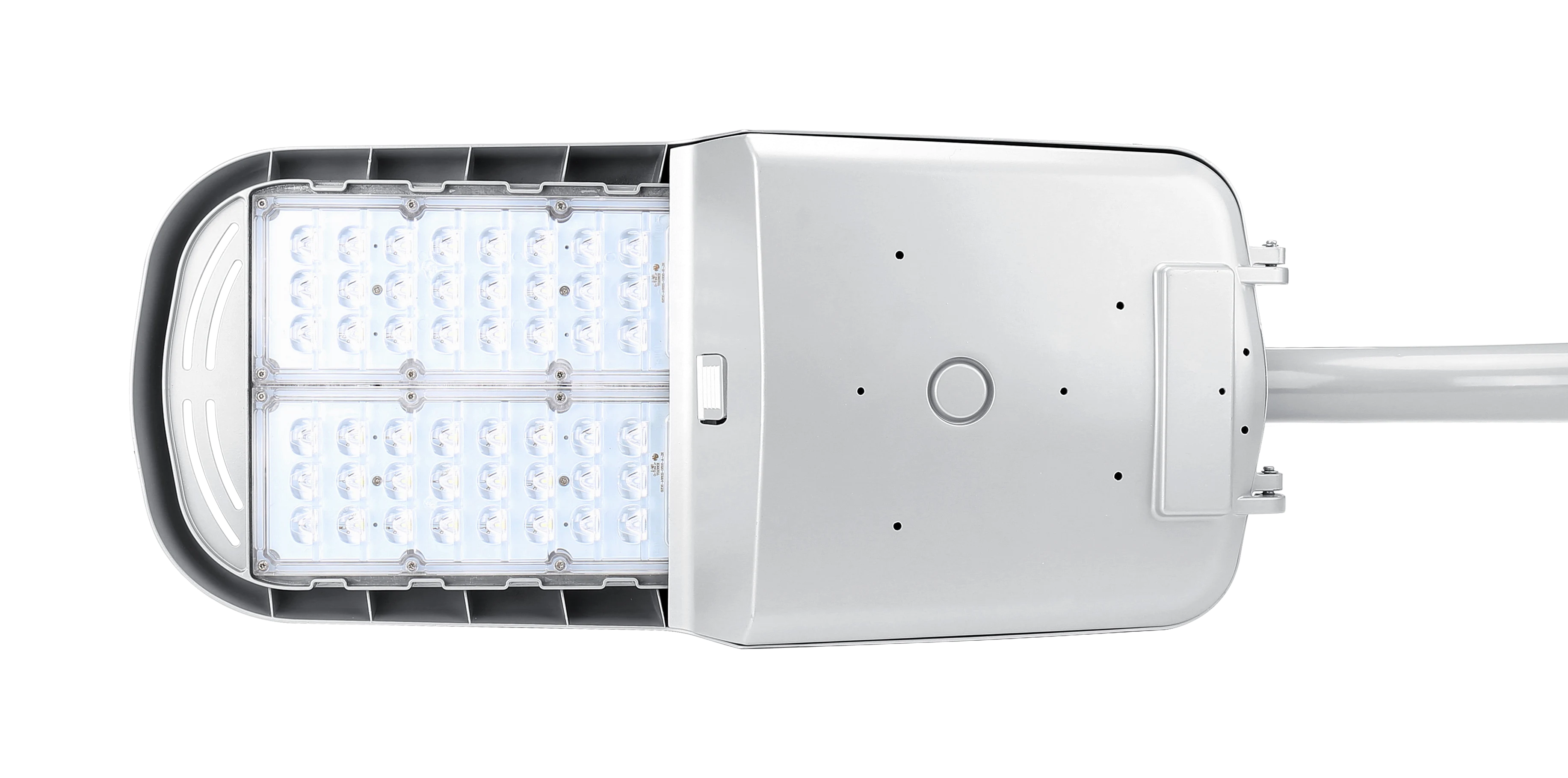
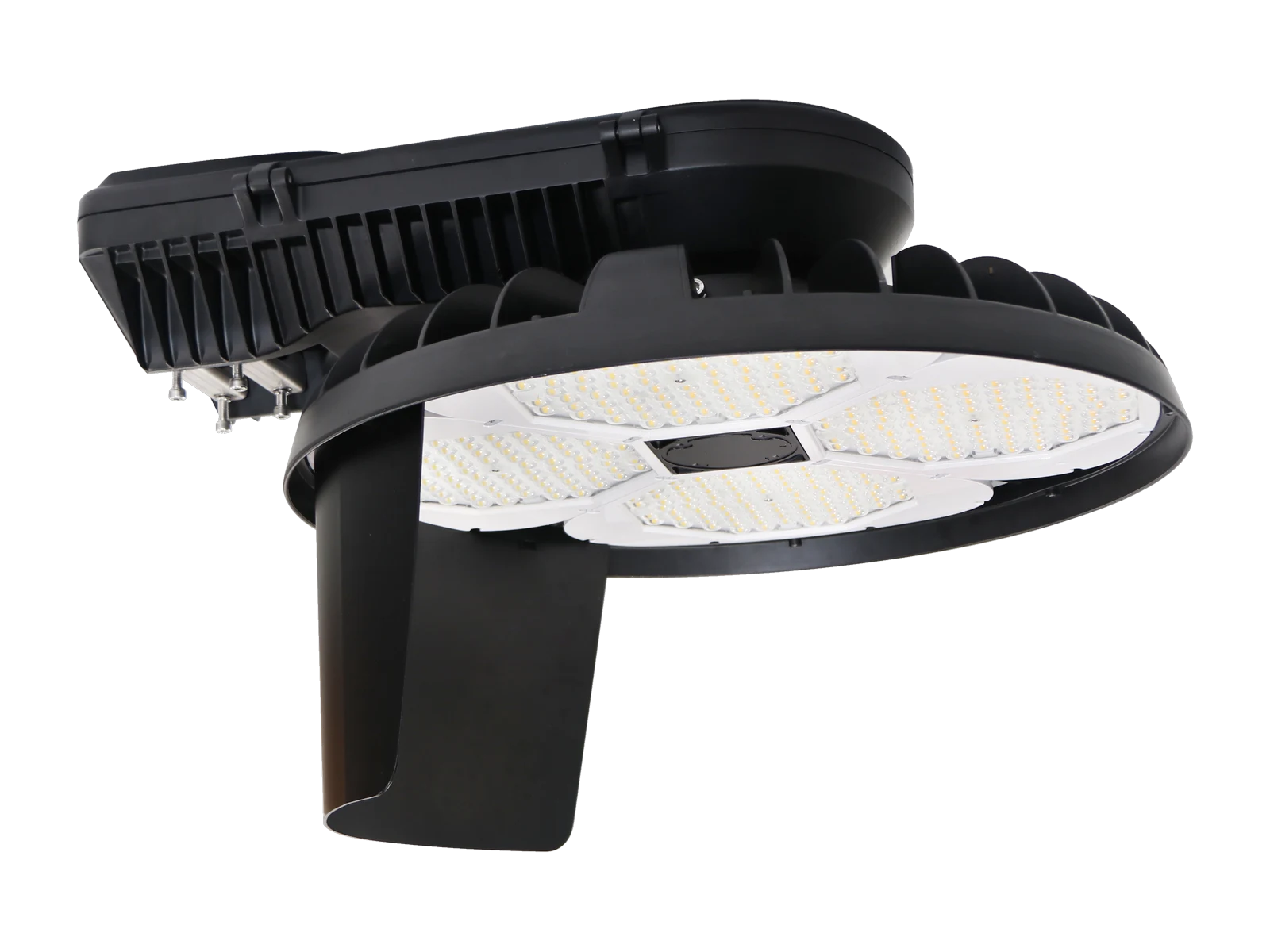
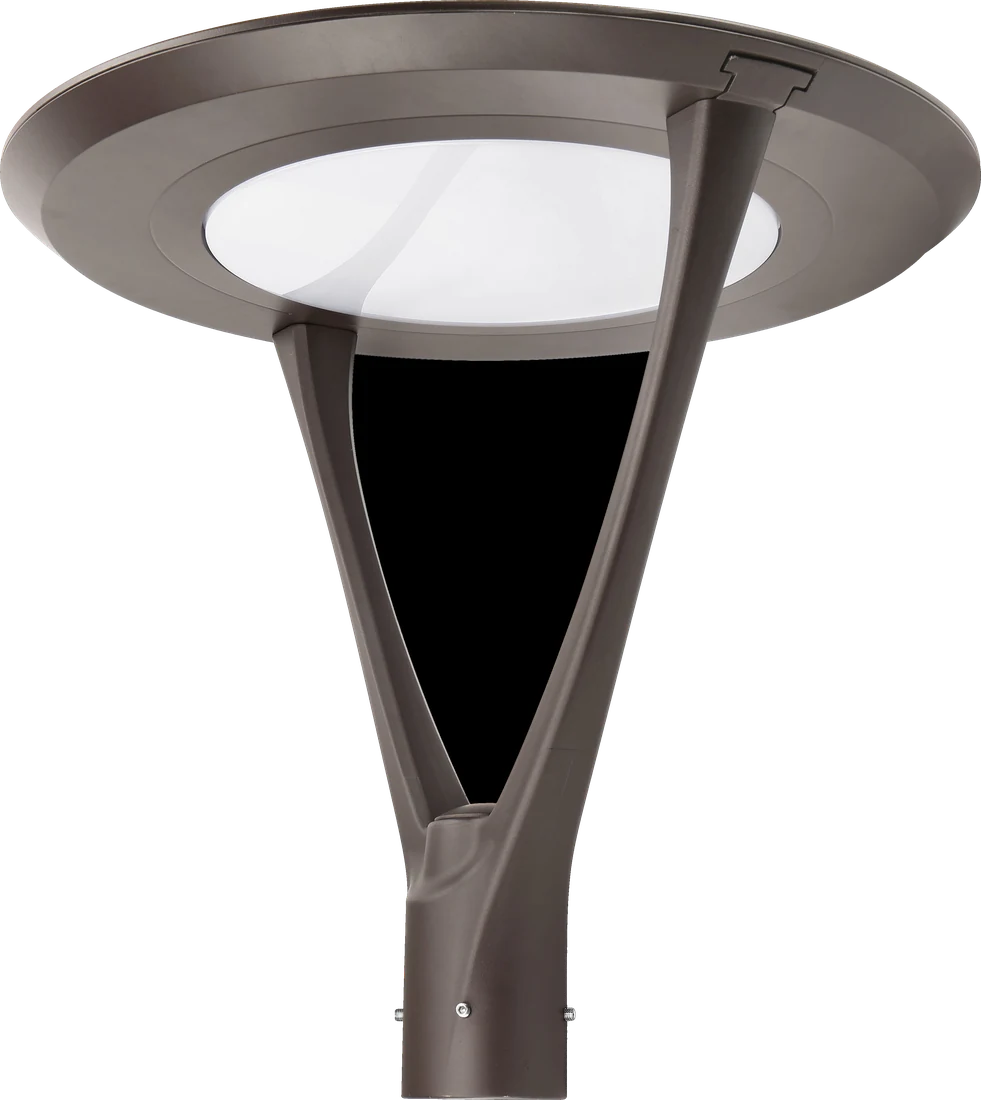
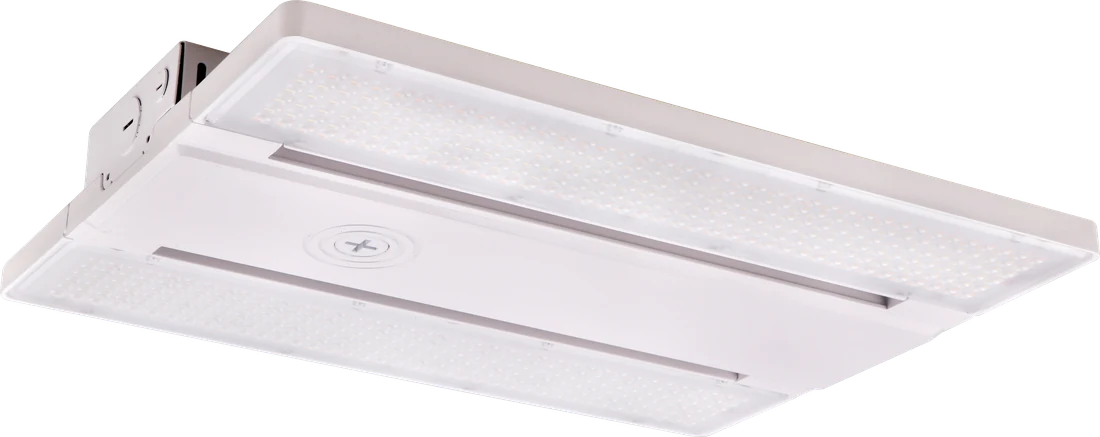
LPAR is the cityⒶRCH traffic-signal product. The other three cityⒶRCH outdoor lines — Sentry bollards for the pedestrian approach, Abbey for area roadway, OmniMax for high-mast intersections — round out the bid sheet for any signalized-intersection project. Same factory, same warranty platform, one PO.
For the complete venue.
LPAR handles the EVP confirm beacon. These cross-line fixtures handle everything else — same warranty platform, same factory. Specify them together for a coherent ALG package across the whole intersection.
Direct line to your regional rep.
Twelve US warehouses. Layout requests come back inside 48 hours. Quotes, sample requests, and rebate matches reply same business day. No portal-as-the-only-channel: you get a person.
One PO. Whole signalized intersection.
Spec the LPAR for the EVP confirm beacon, the Sentry for the pedestrian approach, the Abbey for the roadway cobra-head, and the OmniMax for the major-intersection high mast — all on the same PO, all from the same factory. One inventory line for the cityⒶRCH outdoor portfolio reduces procurement complexity by an order of magnitude across a multi-intersection contract.